
Nature's Delicate Resilience
The Summer BookThis flow examines how plants, animals, weather, and human intervention reveal both nature's fragility and capacity to recover.
increasing Bearing strength in each event
 decreasing
Bearing strength in each eventdecreasingMoss and Eider Nests
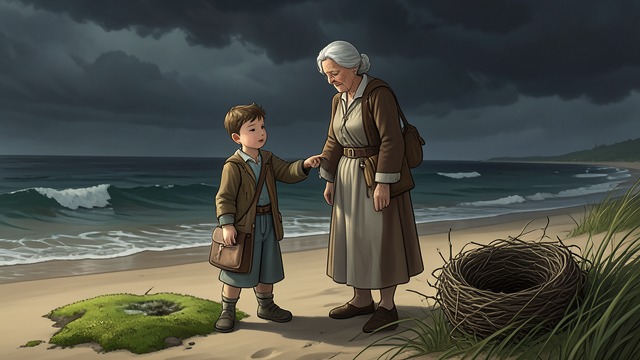
Moss and Eider Nests
Small damage accumulates
Grandmother warns that moss recovers after one step but may die after repeated trampling, while frightened nesting birds may not return. The rules make care depend on restraint.
Knowledge belongs to residents
The lesson distinguishes people who know the island from summer visitors who walk without noticing. Attention is presented as an ethical form of belonging.
The Magic Forest's Balance
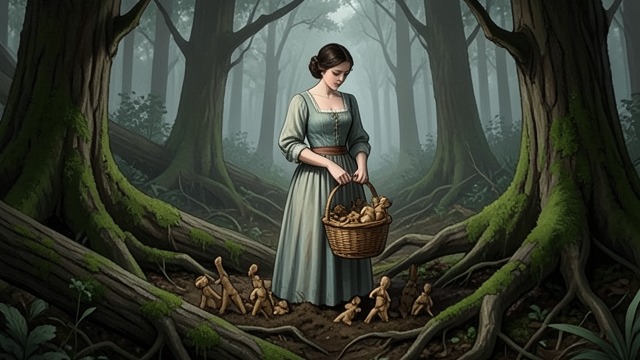
The Magic Forest's Balance
Decay supports life
The Magic Forest survives through dead trunks, wet ground, and living growth intertwined. Grandmother sees that tidying it could destroy its fragile balance.
Art accepts disappearance
Her wooden figures and bone patterns eventually sink into the forest. Human work joins the environment without claiming to preserve it forever.
Roots Beneath the New Garden
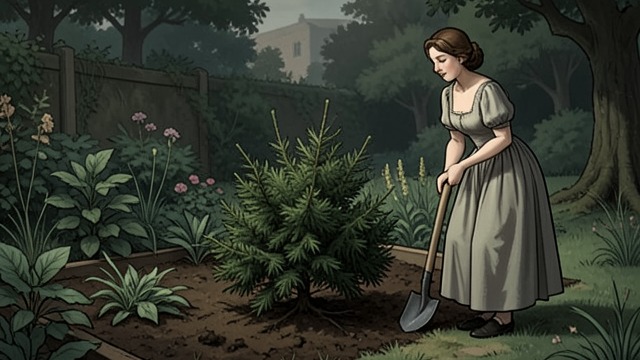
Roots Beneath the New Garden
Cultivation alters habitat
Sophia's father replaces native turf with rich soil and carefully chosen plants. Grandmother notices what the landscaping may submerge, including daisies and junipers.
Improvement has consequences
The imported garden is neither simply foolish nor harmless. Its beauty depends on resources and changes that the island's existing life must absorb.
Drought and the Basin
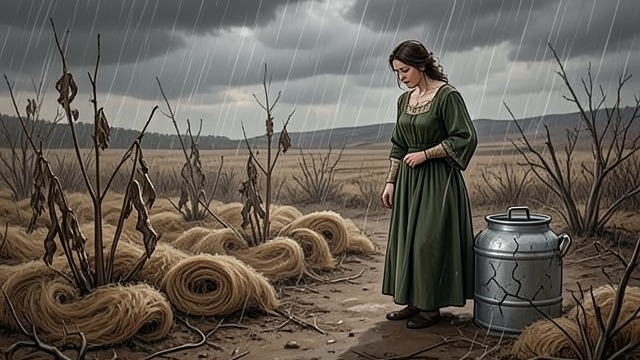
Drought and the Basin
Nature outlasts the system
A carefully engineered garden cannot withstand the long dry spell without exhausting the island's stored water. Native turf curls and plants die as the weather remains clear.
Resilience requires limits
Rain eventually returns, but the episode exposes the cost of treating water as an unlimited supply. The island survives through a combination of human effort and natural weather.
Autumn's Return to Wildness
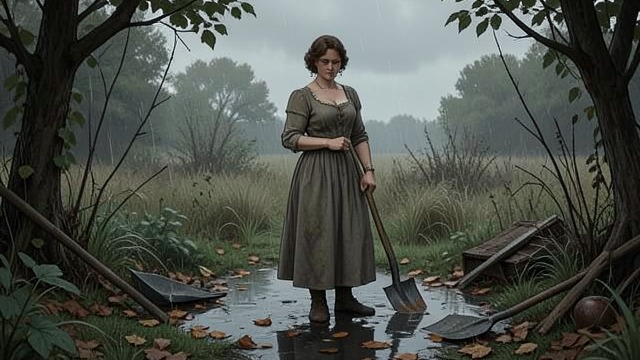
Autumn's Return to Wildness
Human traces recede
Grandmother gathers rubbish, covers flower beds with seaweed, and lets rain level the ground. The family secures equipment but cannot keep summer unchanged.
Nature resumes its own time
The island grows quieter and more foreign as the family prepares to leave. Its recovery is not perfect restoration, but a seasonal return to less inhabited life.
spring, as the family tidies the island
early summer, as Grandmother's carved figures disappear
spring, during the island's landscaping
early summer, when the water reserve is exhausted
late August, after the flower beds are covered
